plus777 Understanding Game Variance
My Journey with plus777: Understanding Game Variance in Online Gambling
It was a typical Friday evening in Manila, and I was unwinding after a long week. Like many Filipinos, I enjoy the thrill of online gambling, and recently, I’d been hearing a lot about plus777. It promised a mobile-first experience, which was perfect for my on-the-go lifestyle. But what really intrigued me was the concept of “Game Variance.” I’d had my fair share of big wins and frustrating dry spells, and I often wondered why some days felt so different from others. Was it just luck, or was there something more to it? I decided to dive deeper into Game Variance, hoping to make my online gambling experience with plus777 more informed and, hopefully, more rewarding. This article chronicles my personal exploration into this crucial aspect of online gaming.
Table of Contents:
- What I Expected Before Diving In
- My Actual Experience with Game Variance on plus777
- What Made Me Change My Perspective
- Who Might Benefit (or Not) from Understanding Variance
- Pros and Cons of Considering Game Variance
- Practical Advice for Navigating Game Variance
What I Expected Before Diving In
Before I truly understood Game Variance, my approach to online gambling, especially on platforms like plus777, was fairly straightforward. I’d pick a game that looked fun, set a budget, and hope for the best. My expectations were often quite binary: either I’d win big, or I’d lose. I rarely considered the nuances in between. I’d heard terms like ‘RTP’ (Return to Player) and ‘volatility,’ but they often felt like abstract concepts that didn’t directly apply to my casual gaming sessions. I expected that if a game had a high RTP, I’d win more often. Conversely, if I was on a losing streak, I’d just assume it was bad luck and maybe switch games, hoping for a change of fortune.
My main concern was always about managing my bankroll. I worried about getting carried away during a winning streak or chasing losses when things weren’t going my way. I also had a vague notion that some games paid out more frequently but in smaller amounts, while others were like lottery tickets – rare big wins. I just didn't have the framework to properly categorize or strategize around these observations. I hoped that understanding Game Variance would give me a clearer picture, perhaps even a sense of control, over what often felt like a purely random activity. I wanted to move beyond just hoping for luck and understand the mechanics behind the ups and downs.
My Actual Experience with Game Variance on plus777
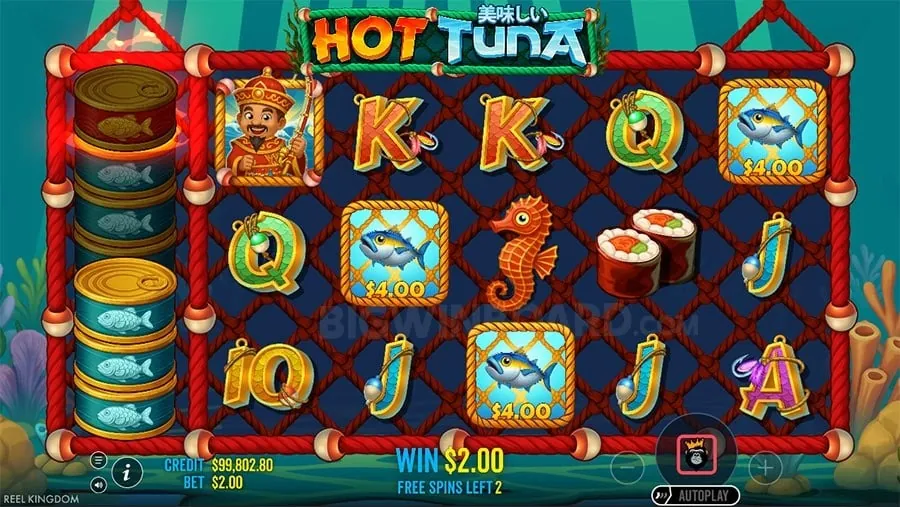
My journey to understand Game Variance truly began when I started paying closer attention to my sessions on plus777. I decided to treat it less like pure entertainment and more like an experiment. I started by categorizing games based on what I perceived as their volatility. For example, I noticed that some slot games, often those with complex bonus rounds and huge jackpot potential, would have long stretches of small, insignificant wins or even no wins at all. Then, out of nowhere, a bonus feature would hit, and my balance would jump significantly. These were clearly high-variance games.
On the other hand, I played some simpler slot games and even some table games where wins were more frequent, albeit smaller. My balance would fluctuate less dramatically; it was a slow, steady grind, whether up or down. This felt like low variance. What surprised me was how much my mood and decision-making were affected by these different experiences. During high-variance games, the dry spells were frustrating, and I often felt the urge to increase my bets to